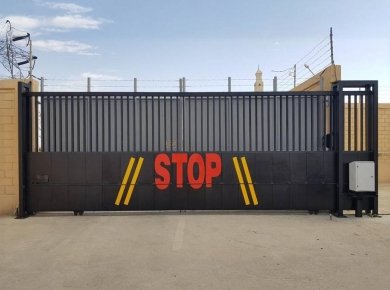
HORIBA MIRA physically tested, this certified K8 gate (K12 available upon request) stops a 7500 Kgs vehicle at 64 Kmph with 0.0 meter static penetration.
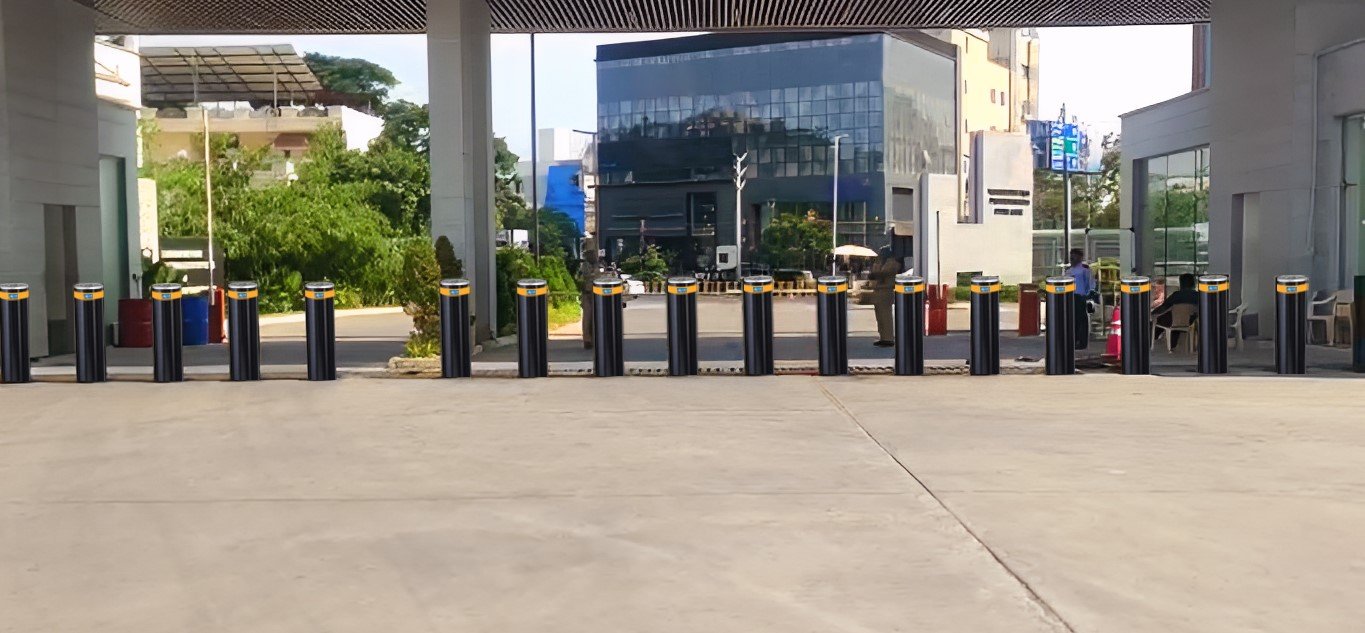
K12 Crash Rated Hydraulic Bollards
HORIBA MIRA physically tested, this K12 crash-rated hydraulic bollard stops a 7500 kg vehicle at 80 km/h with 0.3 meter static penetration and remains operational post-impact.
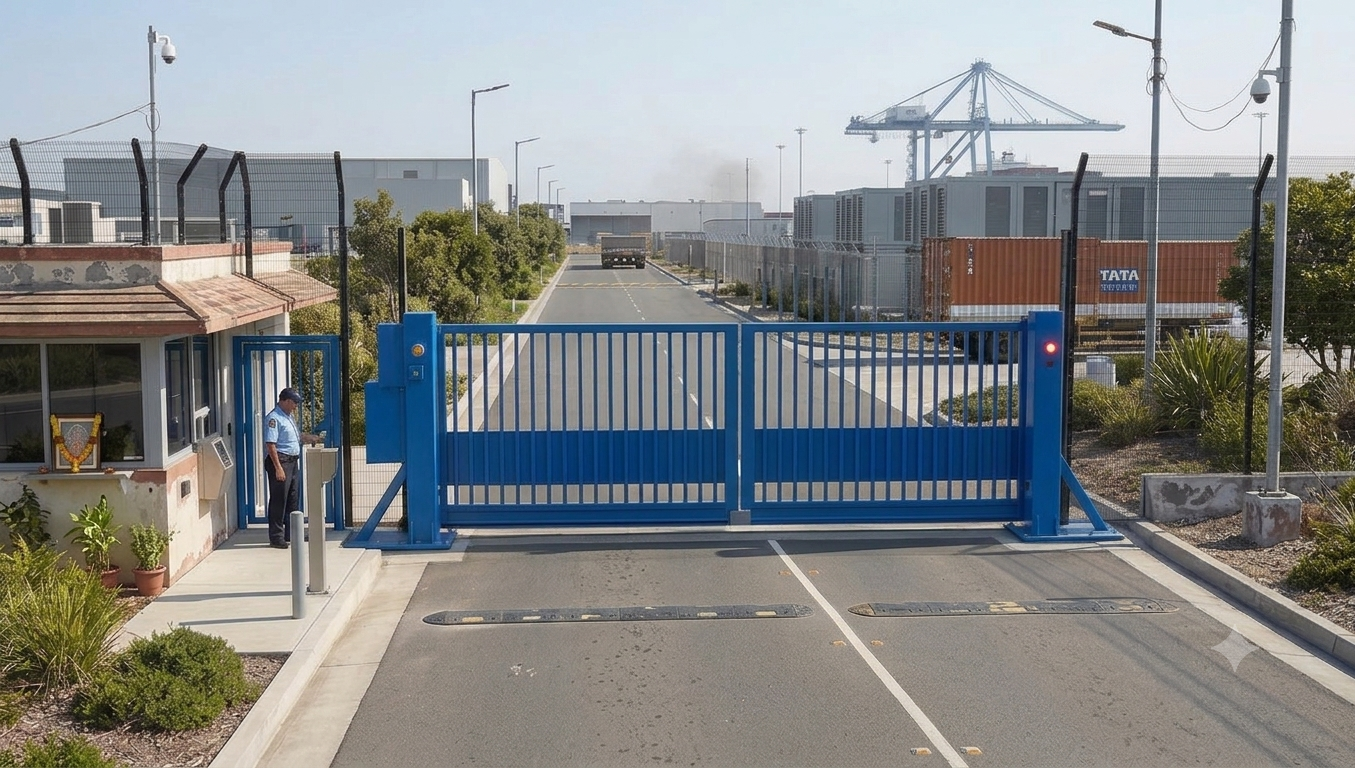
Crash Rated Automatic Swing Gate
Built with a heavy-duty reinforced steel frame, this automatic swing gate stops unauthorized vehicle entry while offering smooth motorized operation and access control integration.
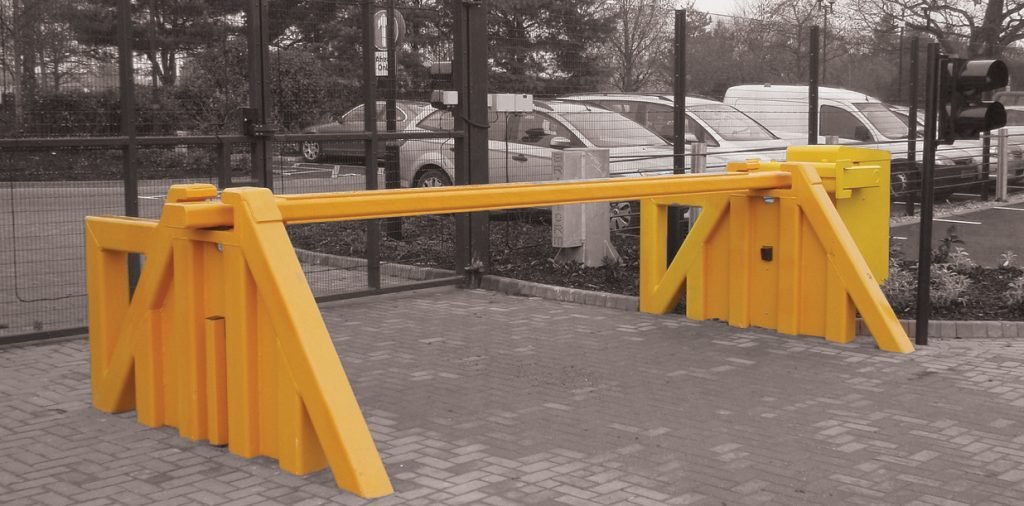
Crash Rated Boom Barriers
Engineered with a heavy-duty reinforced structure, this crash-rated boom barrier prevents forceful vehicle intrusion while offering fast operation and access control integration
VEHICLE-IMPACT PERFORMANCE STANDARDS
Why Crash Rated?
In today’s high-security environment, protecting critical infrastructure, defense establishments, airports, and sensitive zones is more than just installing barriers. Crash-rated products are engineered and tested to withstand high-impact vehicle attacks, ensuring safety of people, property, and assets. They go beyond access control — they provide real-world tested security.
What Is a Crash Rating?
Crash rating refers to the certification or classification given to security barriers like bollards, gates etc based on their ability to stop or resist a vehicle impact. It is determined through full-scale physical crash testing or detailed simulations using international standards. The rating indicates the speed, weight, and type of vehicle the product can effectively stop, ensuring it meets the safety requirements for high-security areas. Crash-rated products are tested using international standards such as:In today’s high-security environment, protecting critical infrastructure, defense establishments, airports, and sensitive zones is more than just installing barriers. Crash-rated products are engineered and tested to withstand high-impact vehicle attacks, ensuring safety of people, property, and assets. They go beyond access control — they provide real-world tested security.
ISO 22343-1:2023
International standard specifying performance requirements and test methods for vehicle security barriers used against hostile vehicle attacks.
ISO IWA 14-2:2013
Global crash-rating guideline for the installation and performance of vehicle security barriers under high-impact scenarios.
BSI PAS 68:2010
British Specification defining impact test methods and performance classification for vehicle security barriers.
ASTM F2656 (USA)
American standard that outlines full-scale crash testing and rating criteria for perimeter barriers to resist vehicle penetration.
What Are Crash-Rated Products?
Crash-rated products are high-performance physical security systems engineered to stop or restrict vehicles attempting to breach high-security or restricted zones. Crash rated products are built to withstand high-impact forces and provide uncompromised protection. Typically installed at critical entry points, these systems are designed to prevent threats such as vehicle-ramming attacks, unauthorized access, or accidental vehicle collisions.
Avians Crash-Rated Gates are designed for high-security locations where both controlled access and strong vehicle impact resistance are essential. Offered in single-side sliding gates, they are built with a reinforced structure to handle high-impact conditions without compromising functionality. These gates seamlessly integrate security with operational efficiency, making them ideal for critical infrastructures.
K12 Crash Rating
A legacy U.S. Department of State (DoS) vehicle-impact performance standard engineered for high-security perimeters. It certifies that physical security barriers—such as bollards, wedge barriers, and crash gates—can halt a 15,000-lb (6,800 kg) vehicle traveling at 50 mph (80 km/h) with minimal penetration.
K8 Crash Rating
A legacy U.S. Department of State (DoS) vehicle-impact performance standard designed for medium-to-high security applications. It certifies the stopping power of physical security barriers—including bollards, wedge barriers, and crash gates—against a 15,000-lb (6,800 kg) vehicle traveling at 40 mph (65 km/h).










 sales@avians.co.in
 ︎ www.avians.co.in